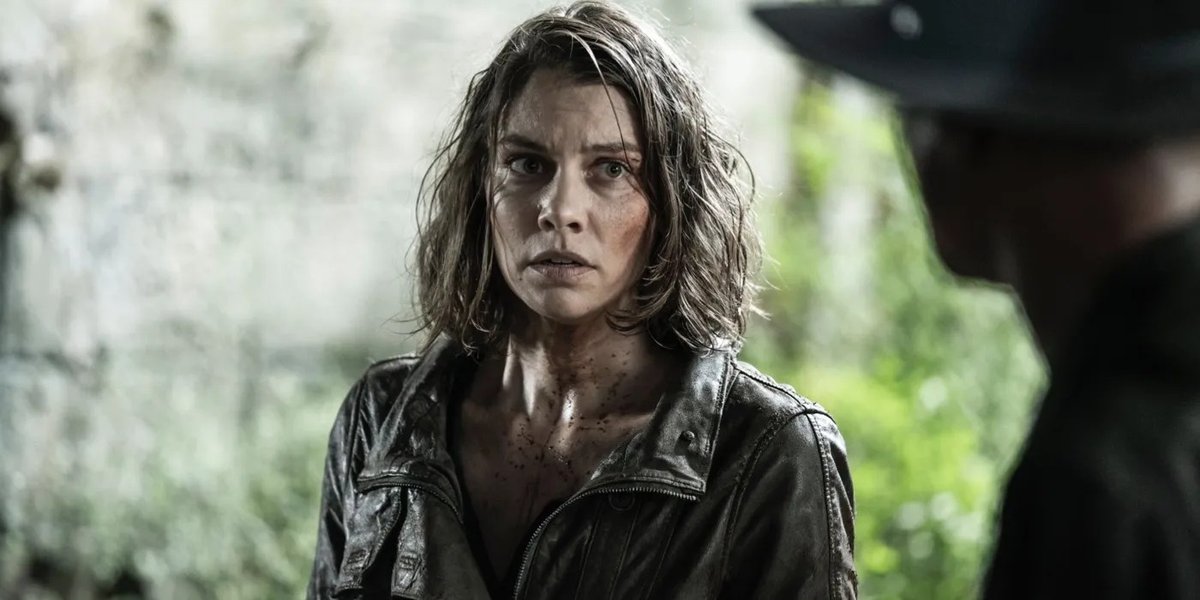
For over a decade, The Walking Dead wasn't just a TV show; it was a cultural phenomenon. A visceral, often harrowing journey through a world ravaged by the undead, it captivated millions, redefined zombie horror, and built an sprawling narrative universe around a core group of survivors. So, when the credits rolled on its eleventh season, many fans found themselves asking: Is The Walking Dead Season 12: Fact or Fiction? Is there more to come for Rick, Daryl, Michonne, and the rest?
The definitive answer, perhaps surprisingly for a series that felt like it could run forever, is fiction. While the world of The Walking Dead is indeed far from over, the main flagship series officially concluded with Season 11. What you're seeing now isn't a "Season 12" in disguise, but a strategically expanded universe of compelling, character-focused spinoffs, designed to refresh the franchise and delve deeper into its most beloved characters and unresolved mysteries.
At a Glance: No Season 12, But Plenty More Walkers
- The Main Series Concluded: The Walking Dead officially ended with its 11th season in November 2022. There will be no traditional "Season 12."
- Loose Ends, New Beginnings: The tantalizing hints and unresolved storylines from the Season 11 finale were not setting up a twelfth season, but rather a series of new, dedicated spinoff shows.
- Character-Focused Spinoffs: Key characters like Rick, Michonne, Daryl, Negan, and Maggie continue their journeys in their own dedicated series.
- Expanding the Universe: This strategic shift allows for more focused storytelling, exploring new locations, threats (like the CRM), and character dynamics without the constraints of a single, sprawling main narrative.
- It's Still The Walking Dead: While the format has changed, the core essence, the characters, and the post-apocalyptic world you love are very much alive and well, just spread across different narrative threads.
The End of an Era, Or Just a New Beginning? Decoding the Main Series Finale
For twelve long years, The Walking Dead built a dark, compelling, and often brutally realistic vision of a post-apocalyptic world. We watched characters grow from terrified survivors to hardened leaders, navigating not just hordes of flesh-eating walkers but also the even more dangerous threats posed by fellow humans. When Season 11 wrapped up in November 2022, it felt like the end of an era. The final episodes brought many storylines to a head, offered moments of resolution, and even threw in a few surprising cameos.
Yet, despite the definitive "series finale" label, many viewers couldn't shake the feeling that there was still so much more to tell. Rick Grimes (Andrew Lincoln), famously absent since Season 9, made a shocking return in the final moments of Season 11, revealing he was still very much entangled with the enigmatic Civic Republic Military (CRM). Michonne (Danai Gurira) was off on her own quest to find him, and Daryl Dixon (Norman Reedus) also seemed poised for a new, uncertain journey. These weren't neat bows; they were tantalizing threads, deliberately left untied.
This deliberate ambiguity naturally led to questions about a potential The Walking Dead Season 12. After all, if the showrunners wanted to tell more of Rick's story, or show Daryl's next steps, or resolve the looming threat of the CRM, wouldn't it make sense to just continue the main series? This sentiment resonated deeply with fans, as seen in discussions across various online communities, highlighting a desire for continuity within the established format.
But, as it turns out, these narrative loose ends weren't hints at a conventional twelfth season. They were cleverly laid breadcrumbs, guiding viewers not to an extension of the old path, but to entirely new, yet deeply connected, highways.
Why No 'Season 12'? The Strategic Shift to Spinoffs
The decision to conclude the main series with Season 11, rather than simply moving forward with a "Season 12" that would incorporate these new character arcs, was a deliberate strategic choice by AMC. Think of it less as an ending and more as a metamorphosis. The network and creators weren't just looking to add another chapter; they were aiming to rejuvenate the entire franchise, giving it fresh energy and more focused narrative possibilities.
One of the primary reasons for this shift was the sheer scope and longevity of the original series. After 11 seasons and 177 episodes, The Walking Dead had become a massive, complex organism with dozens of characters, intricate timelines, and a sprawling narrative that sometimes struggled to maintain a cohesive pace. By breaking the story into smaller, character-specific shows, the creators gained several advantages:
- Creative Freedom: Each spinoff can adopt its own tone, visual style, and pacing, allowing showrunners to experiment and tell more tailored stories.
- Focused Narratives: Instead of juggling multiple A-plots and B-plots across a large ensemble cast, each new series can zero in on a handful of characters, exploring their journeys in greater depth without distraction. This means more screen time for beloved individuals and a chance to truly push their personal arcs.
- Avoiding "Filler": A common criticism of long-running shows is the occasional necessity of "filler" episodes or seasons to stretch storylines. The spinoff model allows for tighter, more impactful seasons, theoretically making every episode count.
- Strategic Scheduling: Launching multiple, shorter series allows AMC to keep the Walking Dead universe consistently in the public eye throughout the year, rather than relying on a single annual run.
From a business perspective, this also allows the network to maximize its investment in the beloved intellectual property. By launching multiple successful series, they can appeal to different segments of the fanbase and potentially attract new viewers who might be intimidated by the daunting length of the original show. It's an ambitious play, transforming a single pillar into a constellation of stars, each shining on its own.
Unpacking the New Chapters: What Replaced Season 12?
Instead of a sprawling Season 12, the Walking Dead universe has fragmented, giving its most iconic characters their own epic sagas. These aren't just tangential stories; they are direct continuations of the main narrative, picking up precisely where Season 11 left off for many fan favorites.
Negan and Maggie's Unlikely Alliance: The Walking Dead: Dead City
The first of these direct sequels to arrive was The Walking Dead: Dead City. This series takes two of the most complex and historically antagonistic characters, Negan (Jeffrey Dean Morgan) and Maggie Rhee (Lauren Cohan), and throws them together in a high-stakes mission. Set predominantly in a post-apocalyptic Manhattan, it sees the duo reluctantly teaming up to find Maggie's son, Hershel, who has been kidnapped.
Dead City is a gritty, urban horror story, distinct in its atmosphere and setting from the rural landscapes often explored in the main show. It forces Negan and Maggie to confront their traumatic past while navigating a perilous new world filled with unique threats and factions. The series has already been renewed for a second season, proving there's plenty more story to tell for this volatile pair. It's a true sequel, moving the story forward for these characters in a way that would have been difficult to achieve within the confines of a multi-character Season 12.
Daryl's Unexpected European Detour: The Walking Dead: Daryl Dixon
Following Dead City, fans got to see what happened to their favorite crossbow-wielding survivor in The Walking Dead: Daryl Dixon. This series takes an unexpected turn, placing Daryl in a completely new, vastly different setting: France. The show opens with Daryl washing ashore, disoriented and unsure how he got there, embarking on a quest to find his way back home.
The French setting immediately injects a fresh perspective into the Walking Dead formula, offering new survivor communities, different types of walkers (including more intelligent, faster variants), and unexplored post-apocalyptic European lore. Daryl's journey is one of survival, discovery, and forming new, reluctant bonds as he navigates a foreign land. Like Dead City, Daryl Dixon has also been greenlit for a second season, promising more of his isolated, yet deeply human, quest. This particular spinoff perfectly exemplifies the creative freedom gained by moving away from a traditional Season 12, allowing for a radical shift in setting and culture.
Rick and Michonne's Epic Reunion: The Walking Dead: The Ones Who Live
Perhaps the most anticipated of the new offerings is The Walking Dead: The Ones Who Live, which promises to finally reunite Rick Grimes (Andrew Lincoln) and Michonne (Danai Gurira). Their intertwined fates were a central mystery of the main series' later seasons, and the Season 11 finale's tease of Rick's whereabouts only intensified fan speculation.
This limited series is set to dive deep into Rick's experience since his disappearance, particularly his entanglement with the powerful and sinister Civic Republic Military (CRM). It will follow Michonne's relentless search for him, and ultimately, their desperate struggle to find each other and return home. This is the story fans have been waiting years for, and it’s being told with the focused intensity a dedicated series can provide, rather than as a subplot within a broader Season 12. It��s designed to be a definitive, emotional culmination of their long-separated arcs.
Beyond the Main Trio: The Wider Walking Dead Universe
While Dead City, Daryl Dixon, and The Ones Who Live serve as direct continuations for the core characters, the Walking Dead universe was already expanding long before the main series concluded. These other Walking Dead spinoffs have played a crucial role in world-building, exploring different aspects of the apocalypse, and introducing new characters and threats.
- Fear the Walking Dead: The longest-running spinoff, Fear the Walking Dead, has explored the initial outbreak and the early days of the apocalypse in different geographical locations, eventually catching up to and occasionally crossing over with elements of the main show's timeline. It provided an earlier glimpse into the franchise's potential for expansion.
- The Walking Dead: World Beyond: A two-season limited series that focused on the first generation to come of age during the apocalypse. Crucially, World Beyond delved deep into the mythology of the Civic Republic Military (CRM), providing much-needed context for their operations and goals – information that is now vital for understanding Rick's ongoing story in The Ones Who Live.
- Tales of the Walking Dead: An anthology series that offered standalone episodes, each exploring new characters and stories within the Walking Dead universe. This format allowed for creative experimentation and offered glimpses into diverse survivor experiences, often with unique tones or genres.
These earlier spinoffs laid the groundwork for the post-Season 11 strategy. They demonstrated that the universe was rich enough to support multiple narratives simultaneously, and that fans were eager to explore different facets of the apocalypse. By giving each major character their own dedicated, premium series, AMC has taken this approach to its logical next step, offering a more curated and high-stakes viewing experience than a sprawling Season 12 ever could.
Fact Check: Did the Finale Actually Hint at a Season 12?
It's entirely understandable why many viewers felt that the Season 11 finale, particularly the appearances of Rick and Michonne, was a direct setup for The Walking Dead Season 12. After all, traditional television often uses cliffhangers and character reintroductions to build anticipation for the next season. However, in this case, the intentions were different.
The creative team deliberately crafted those moments to serve as launchpads for the new spinoffs, not for an extension of the flagship show. The glimpse of Rick, battered but defiant, escaping CRM soldiers, and Michonne's determined quest, were specifically designed to tell viewers: "The story for these characters continues, but it's happening over here, in their own shows."
This shift in strategy highlights a modern trend in television, where successful franchises opt for universe expansion rather than simply prolonged single series. Instead of cramming all the major character arcs into one show that might become unwieldy, the "Walking Dead" universe has chosen specialization. The CRM storyline, for instance, a major antagonist hinted at for years, is now set to be fully explored in The Ones Who Live, giving it the depth and focus it deserves, rather than being one plot thread among many in a theoretical Season 12.
So, while your gut feeling that "there's more story here" was absolutely correct, the form that story would take was fundamentally different from what many anticipated.
Fan Frustration and the Franchise's Vision: Decoding the Decision
The reaction from some corners of the fanbase, particularly those who expressed sentiments like "Why didn't they just make Season 12?" on forums like Reddit, is completely valid. It's a natural human inclination to prefer continuity in a familiar package. For years, The Walking Dead was the central pillar, the main event. Shifting to multiple separate shows can feel like a fragmentation, requiring viewers to invest in several new series to get the full picture.
However, from a strategic standpoint, the decision carries significant advantages for the longevity and creative health of the franchise.
The "Why Not Season 12?" Argument From a Fan's Perspective:
- Ease of Access: It's simpler to follow one show than three or four.
- Ensemble Chemistry: Many loved the dynamic of the large ensemble cast of the main series.
- Familiarity: There's comfort in the established format and title.
- Cohesive Narrative: The perception that a single Season 12 would offer a more unified story.
The Franchise's Counter-Argument (Strategic Vision): - Creative Renewal: After over a decade, showrunners and writers might feel creatively constrained by the original format. New shows allow for fresh perspectives and a chance to reignite passion.
- Preventing Fatigue: Both audience and creative fatigue are real dangers for long-running series. Ending the main show on a relatively high note and transitioning to new formats can prevent the franchise from feeling stale.
- Character Depth: As discussed, giving major characters their own shows allows for unparalleled depth and focus on their individual journeys, free from the demands of a large ensemble cast. We get to see more of their unique struggles and growth.
- Market Diversification: Different shows can appeal to slightly different tastes within the fanbase, broadening the overall appeal of the Walking Dead universe. A fan who loves gritty urban tales might gravitate to Dead City, while someone interested in global mysteries might prefer Daryl Dixon.
- Talent Retention: Attracting and retaining top-tier talent like Andrew Lincoln and Danai Gurira for shorter, more focused limited series or distinct shows is often easier than committing them to open-ended, multi-year contracts for a sprawling main series.
Ultimately, the decision to end The Walking Dead with Season 11 and pivot to an expanded universe of spinoffs reflects a calculated risk. It's an attempt to evolve with the changing landscape of television, where streaming services and limited series offer new ways to tell compelling stories. While it might initially feel disjointed to some, the potential for richer, more focused narratives across multiple platforms is a strong incentive for the creators and network. It's not the end of the story; it's the beginning of many new ones, all converging under the familiar, zombie-infested sky.
The Future Is Fragmented (But Familiar): What to Expect Next
So, if you're looking for The Walking Dead Season 12, you're actually looking for the next chapters in the lives of Daryl, Negan, Maggie, Rick, and Michonne. The future of the Walking Dead universe is robust, dynamic, and intentionally multifaceted.
Expect to see continued development and likely more seasons for the current slate of successful spinoffs. The Walking Dead: Dead City and The Walking Dead: Daryl Dixon have already proven their popularity with second-season renewals. The Ones Who Live is set to deliver the highly anticipated Rick and Michonne saga, and its reception will undoubtedly shape future decisions for the universe.
The strategy seems to be about telling compelling, contained stories for individual characters or smaller groups, rather than trying to sustain one massive, ever-expanding narrative. This doesn't rule out future crossovers or even the possibility of some storylines eventually converging, but for now, the focus is on these distinct, yet interconnected, journeys.
The beauty of this approach is that it allows the franchise to breathe. It avoids the narrative bloat that can plague long-running shows and gives each story the space it needs to truly shine. It also sets up a compelling challenge for the creators: how to maintain the overarching sense of a shared universe while allowing each piece to stand on its own.
Your Guide to Navigating the Post-TWD World
For dedicated fans of The Walking Dead, embracing this new, expanded universe requires a slight shift in mindset. Instead of waiting for "Season 12," you're now curating your own personalized Walking Dead experience, choosing which character's journey you want to follow.
Here’s how to make the most of it:
- Prioritize Your Favorites: If you're eager to know what happened to Rick and Michonne, then The Walking Dead: The Ones Who Live is your absolute must-watch. If Negan and Maggie's dynamic is what truly interests you, then start with The Walking Dead: Dead City. For Daryl's solo adventures, The Walking Dead: Daryl Dixon is the place to be.
- Understand the Timeline: While the main series ended, these spinoffs pick up directly from, or shortly after, the events of Season 11 for their respective characters. You're not starting fresh; you're continuing their personal stories.
- Explore the Lore: If you're deeply interested in the broader mysteries of the Walking Dead universe, particularly the CRM, watching The Walking Dead: World Beyond will provide valuable context for The Ones Who Live.
- Embrace the New Formats: The shorter season lengths of the spinoffs mean tighter storytelling. Each episode often carries more weight, moving the plot forward with purpose.
- Stay Connected: Engage with fan communities to discuss theories, follow news on upcoming seasons, and enjoy the collective experience of this evolving universe.
While the phrase "The Walking Dead Season 12" might be a factual impossibility, the spirit, the characters, and the compelling storytelling of the franchise are very much alive. This new chapter isn't a replacement; it's an evolution, a bold move to ensure the world of The Walking Dead continues to scare, thrill, and move us for years to come. Dive in, there's a whole new world of walkers (and survivors) waiting. To learn even more about what happened after the main series, including detailed analyses and guides, explore All about Walking Dead Season 12 and keep an eye on the future of The Walking Dead universe as these narratives unfold.